
Commission into the revolt(s) of 1450
On 6 June 1450 an inquiry was commissioned in relation to some ringleaders’ actions of the Kentish uprising led by Jack Cade. “It is to be enquired for our Sovereign Lord the King that if…
On 6 June 1450 an inquiry was commissioned in relation to some ringleaders’ actions of the Kentish uprising led by Jack Cade. “It is to be enquired for our Sovereign Lord the King that if…
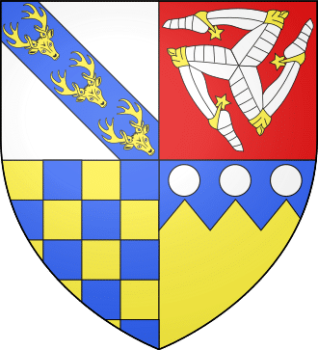
On 20 March 1470 the Duke of Clarence and Earl of Warwick sought assistance from Thomas Lord Stanley. The Battle of Losecote Field had made the Duke of Clarence and Earl of Warwick’s involvement in…
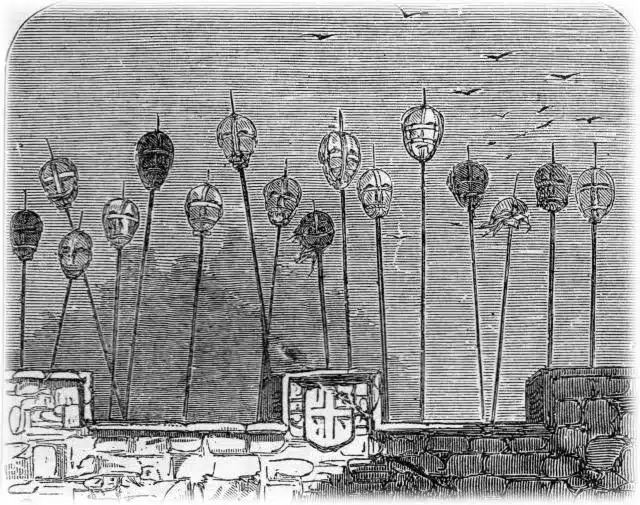
On 9 February 1450 Thomas Cheyne was hanged, drawn and quartered. Cheyne, or Hermit Bluebeard as he called himself, was from Kent. In 1449 and 1450, the region’s people were becoming increasingly dissatisfied with the Government. …
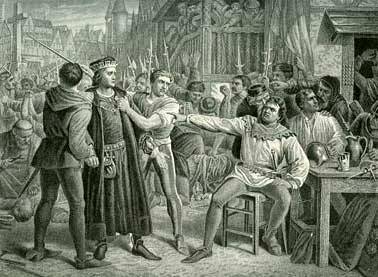
5 February 1451 was the last day of hearings in Kent in which the King, amongst others, presided over the trials of key rebels. In 1450 two uprisings had taken place in Kent and adjoining counties.…

On 3 July 1450 Jack Cade crossed London Bridge and declared himself Mayor. The rebels sought out, then executed James Fiennes and William Crowmer. In rural Kent, the ranks of the rebel army had swollen. Jack…

14 November 1468, Execution of Richard Stairs Plots and intrigue in 1468 November 1468 was a period of plotting. Many people were implicated as the machinations of the Earl of Warwick, and Duke of Clarence…
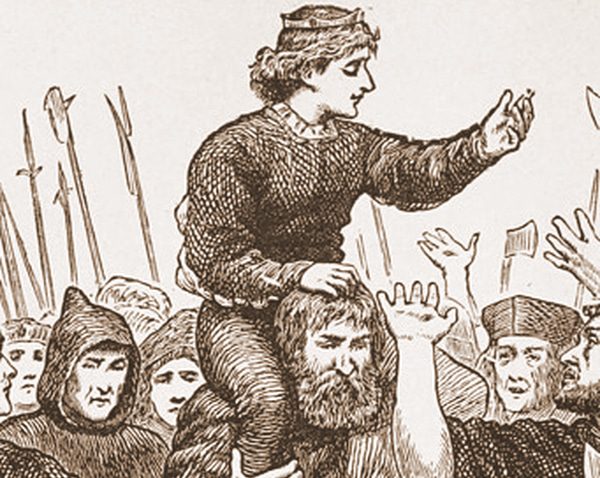
Following Richard III’s death at the Battle of Bosworth, there were several rumours about the whereabouts and fates of important Yorkist children. These rumours provided hope and opportunity for Yorkist loyalists which led to Lambert…
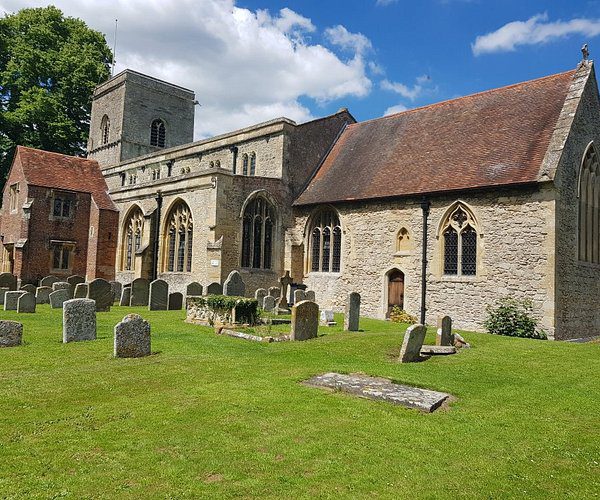
In 1486 a number of Yorkist lords plotted a rebellion against the new Tudor regime. Among them were Humphrey and Thomas Stafford. They raised a force whilst King Henry VII headed north to seek out…
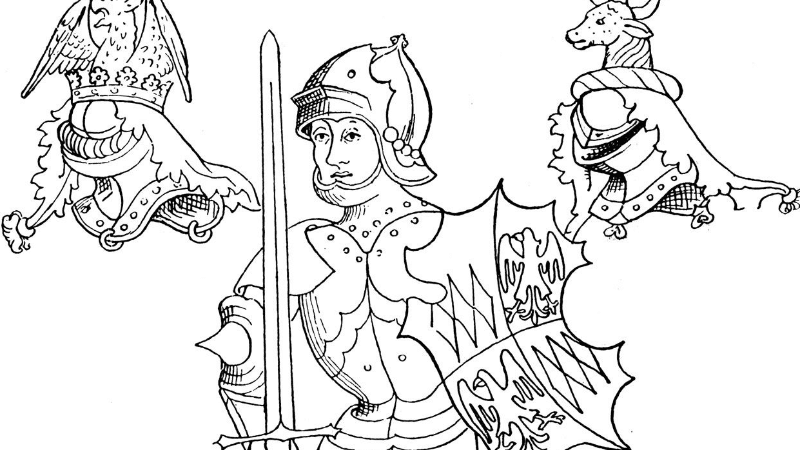
In 1469 a series of rebellions were instigated by the Duke of Clarence and Earl of Warwick. The causes of the revolts are varied but in general terms relate to foreign policy, cronyism, and disfatisfaction…
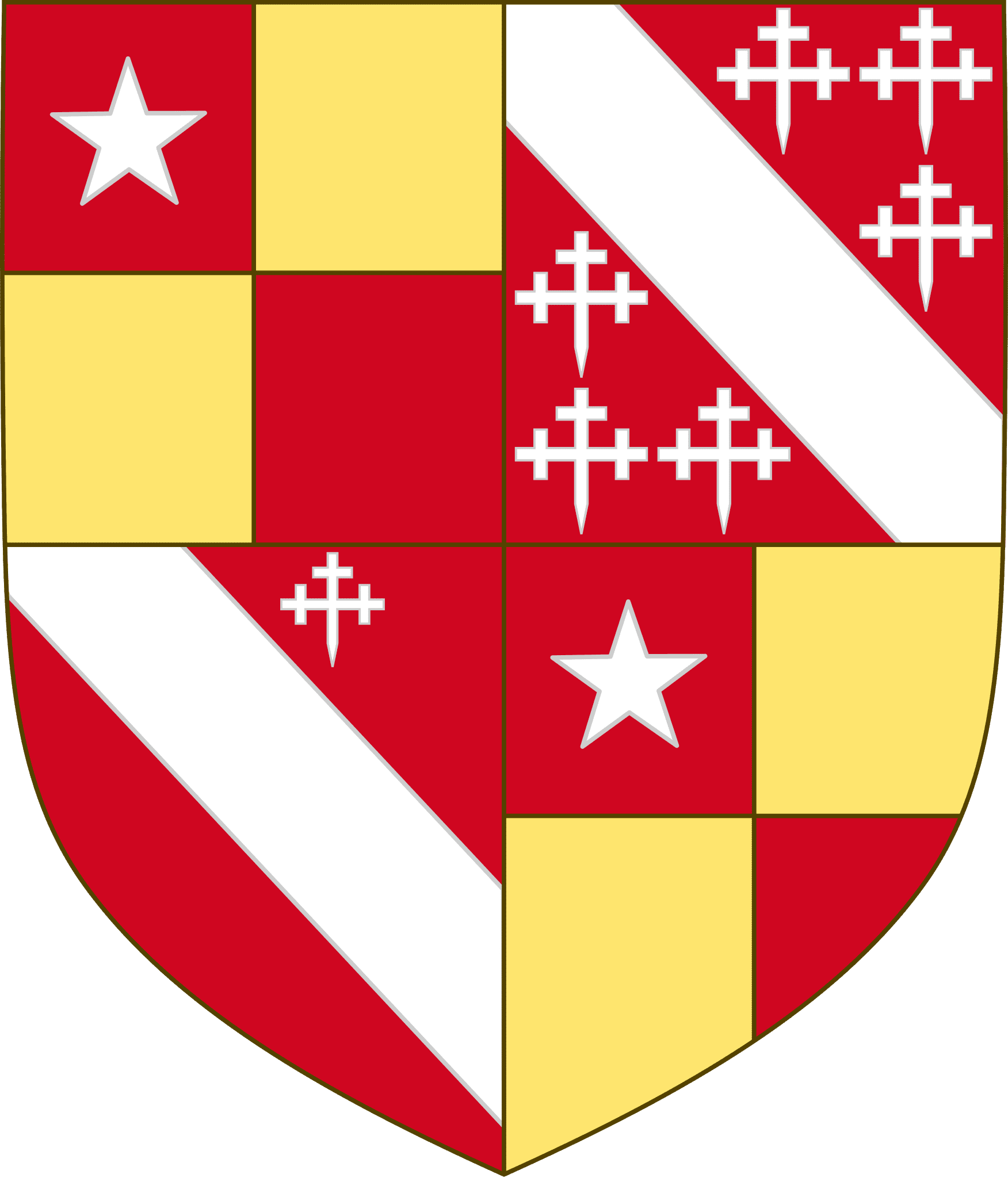
On 28th October 1484 Richard III ordered the Earl of Oxford’s transfer from imprisonment in Calais to the more secure gaol at the Tower of London. By the time the order reaches Calais, the Earl has…