
Henderskelfe Castle [Now Castle Howard]
Henderskelfe Castle is situated in the estates of Castle Howard, a statly home which was built on the site of the earlier castle and church. Sited some fifteen miles to the north of York, it…
Henderskelfe Castle is situated in the estates of Castle Howard, a statly home which was built on the site of the earlier castle and church. Sited some fifteen miles to the north of York, it…
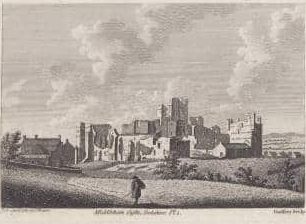
Middleham Castle is situated in Wensleydale, North Yorkshire. The castle was hugely important in the Wars of the Roses and the years leading up to the outbreak of war. Held by the branch of the…

‘the monks are so molested that the divine cult and other works of piety are withdrawn’ At one of England’s most celebrated religious institutions there was, in 1414, a remarkable case of an Abbot attempting…

In Calais, a proclamation was made on 12 July 1469 by the Duke of Clarence, Earl of Warwick, and Archbishop of York regarding the state of English politics. The proclamation was similar to the calls…

In Calais, on 11 July 1469, the marriage of George Duke of Clarence to Isabel Neville took place. George Duke of Clarence was the younger brother of King Edward IV. Isabel Neville was a daughter of…
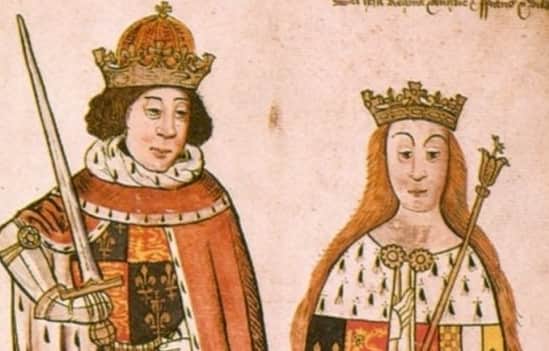
The Coronation of King Richard III and Anne Neville as his Queen took place on 6 July 1483. Their ceremonyis regarded as one of the most magnificent coronation ceremonies to have been held in Medieval…

On 3 July 1450 Jack Cade crossed London Bridge and declared himself Mayor. The rebels sought out, then executed James Fiennes and William Crowmer. In rural Kent, the ranks of the rebel army had swollen. Jack…

On 2 July 1460, the Yorkist Lords who had been based in Calais began their blockade of the Tower of London. Separating their force, the Earls of Warwick and March headed north, whilst the Earl…
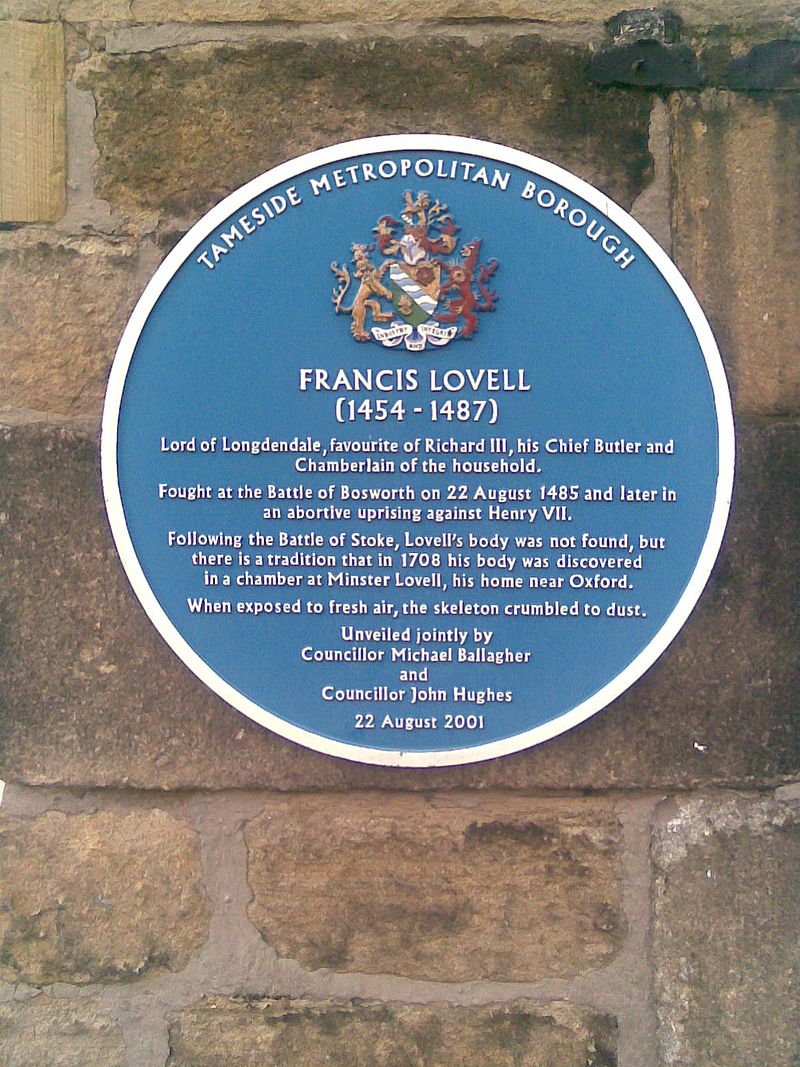
1 July 1468: A quitclaim was agreed for a Manor in East Bridgford, Notts. A quitclaim is a legal agreement to forego rights. In this case, it was an agreement to set aside a right to…
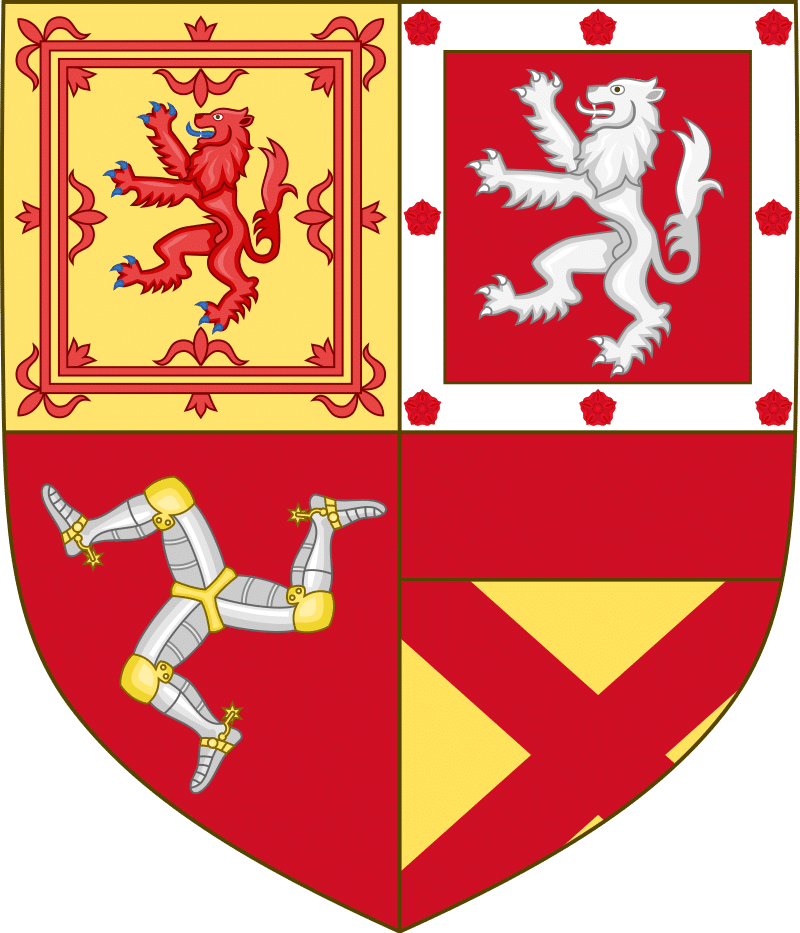
On 12 June 1482 Richard Duke of Gloucester was made commander of the English army due to invade Scotland. On 11 June, the Treaty of Fotheringay had been signed in which the Duke of Albany, Alexander…