
1475 Will of King Edward the Fourth
King Edward IV wrote a will prior to the departure of the English army from Sandwich for the French campaign of 1475. It was common for royals and nobles to write a will prior to…
King Edward IV wrote a will prior to the departure of the English army from Sandwich for the French campaign of 1475. It was common for royals and nobles to write a will prior to…

In 1471 Edward IV had reigned for a decade, with just a short period of Henry VI resuming power to break that control. In April of 1471 Edward held London and Henry VI was in…

In 1464 King Edward IV instigated changes to the valuation of currency in England. Changes to the valuation of gold and coinage minted from it were economic changes designed to combat problems faced by the…
A footnote in the Chronicles of the White Rose of York makes the suggestion that Edward IV was responsible for the origins of the English Middle Classes. It is to this marriage, in a great…
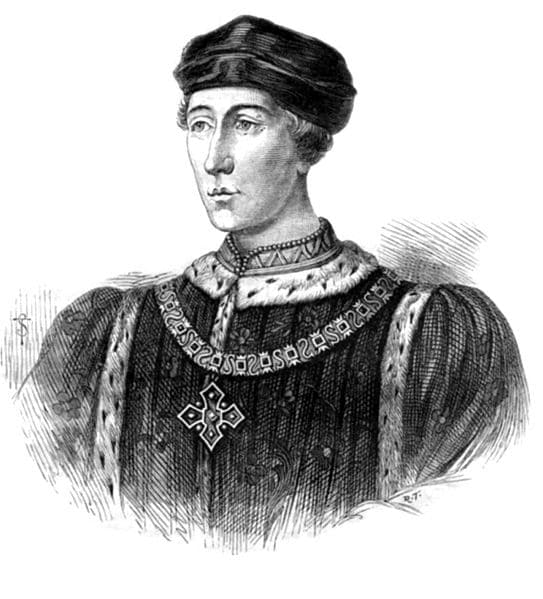
In August of 1470 the Earl of Warwick declared for King Henry VI, casting off any doubts as to his intentions. Earlier statements, letters and proclamations made by Richard Neville, 16th Earl of Warwick, had…

Whilst in captivity King Henry VI wrote several verses. Sir John Harington retained several of these. They provide some insight into the thoughts of the imprisoned king. The precise date upon which the verses were…
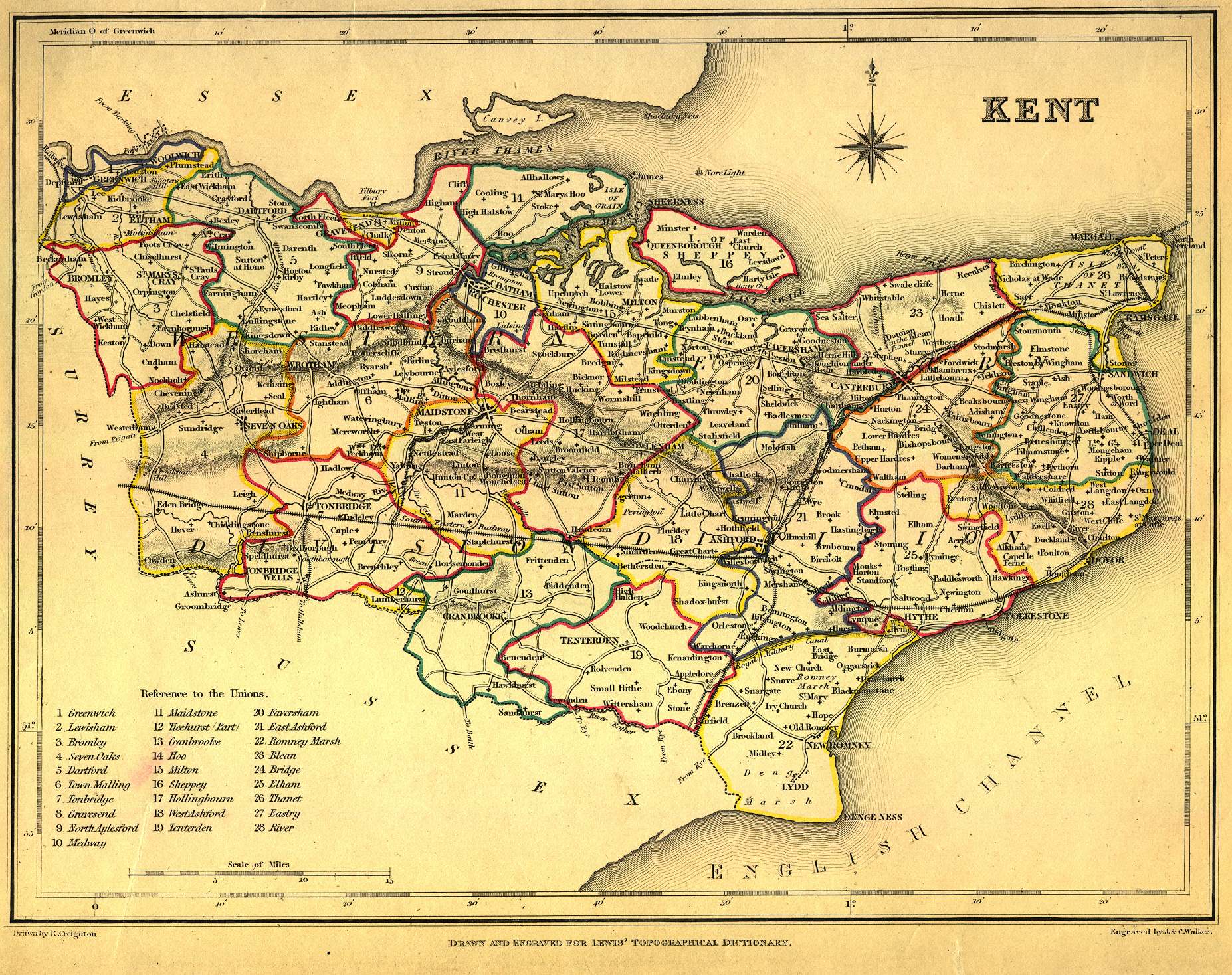
The Kentish Memorial is a series of points that were distributed in Kent in 1460. They show the reasons why the Yorkist Lords were favoured by the people of the area. In simple terms the…

As the Yorkist Lords and their forces gathered at Ludford they wrote to King Henry VI with a possible view to avoiding a clash. The letter is one example of the way in which the…
THE CHRONICLES OF THE WHITE ROSE OF YORK. THE MONKISH HISTORIANS OF GREAT BRITAIN. The following volumes are now published : The Historical Works of Venerable Bede, containing (Vol. I.) his Ecclesiastical History ; (Vol.…

Hearne’s Fragment is named after Thomas Hearne (1678–1735), an early eighteenth century antiquarian and historian. He studied the classics at the University of Oxford, entering St Edmund’s Hall in 1696. Much of his work related…