
Mulgrave Castle
Mulgrave Castle is unusual in that there are three different fortifications or homes within close proximity that all bear the same name. The first was a Norman era motte and bailey, the second an enclosure…
Mulgrave Castle is unusual in that there are three different fortifications or homes within close proximity that all bear the same name. The first was a Norman era motte and bailey, the second an enclosure…

Thirsk Castle is thought to have been constructed as a Motte and Bailey by Robert de Stuteville in the late 11th century. It had a relatively short lifespan as an active fortification being destroyed by…

Sheriff Hutton Castle was built by John Lord Neville of Raby following the granting of a licence by Richard II in 1382. A large quadrangular castle, it was constructed 10 miles to the north, north…

Kilton Castle was built on a promontry in the 12th century. Originally a timber construction, it was soon replaced by a stone castle. It has been suggested that the initial build was a rare enceintric…

Knaresborough Castle is a large castle built on a promontory overlooking the River Nidd. Dominated by ‘The King’s Tower’ the castle is a good example of how castles were developed over time. It was developed…

Rougemont Castle in Yorkshire was abandoned c1396 when it’s holders, the de Lisle family, took possession of Harewood and made it their primary residence. It is not to be confused with Rougemont Castle in Exeter,…

Hornby Castle, North Yorkshire has a history littered with possibles and maybes rather than documented facts. The site has been subject to extensive archaeological study which helps to firm up theories but they are likelies…

Doncaster and the villages surrounding it were home to a large number of fortifications in the later medieval era. The best known of these are the remains of the stone castles at Conisbrough and Tickhill.…
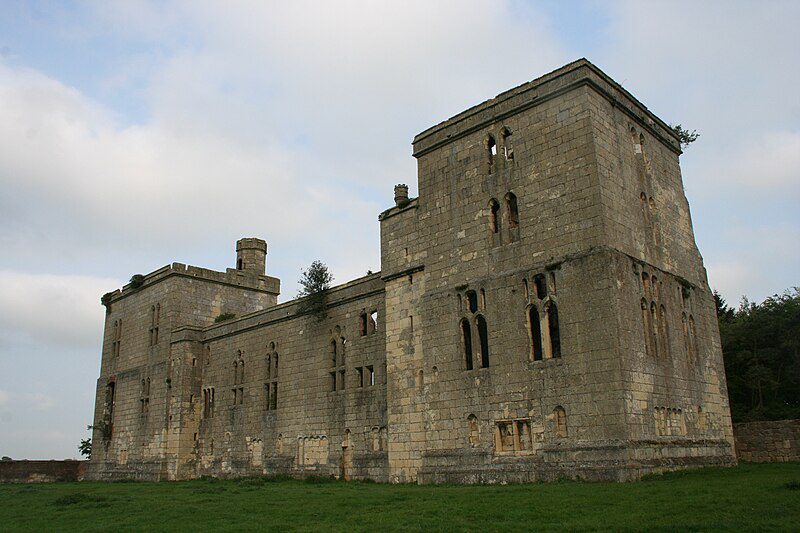
Wressle Castle was built for Henry, 3rd Lord Percy, or his second eldest son, Sir Thomas Percy in the late 14th cetury. The exact dates of construction are unknown and reputable sources disagree. A quadrangular,…

Cawood Castle is sometimes referred to as being ‘The Windsor of the North’. Built for the Archbishops of York, Cawood is perhaps better described as a Palace, though it could be, and was, used as…